Floor Cleaner Fred – San Diego Carpet & Floor Cleaning Experts
 8:00 am – 6:00 pm Mon – Sun (858) 453-4410

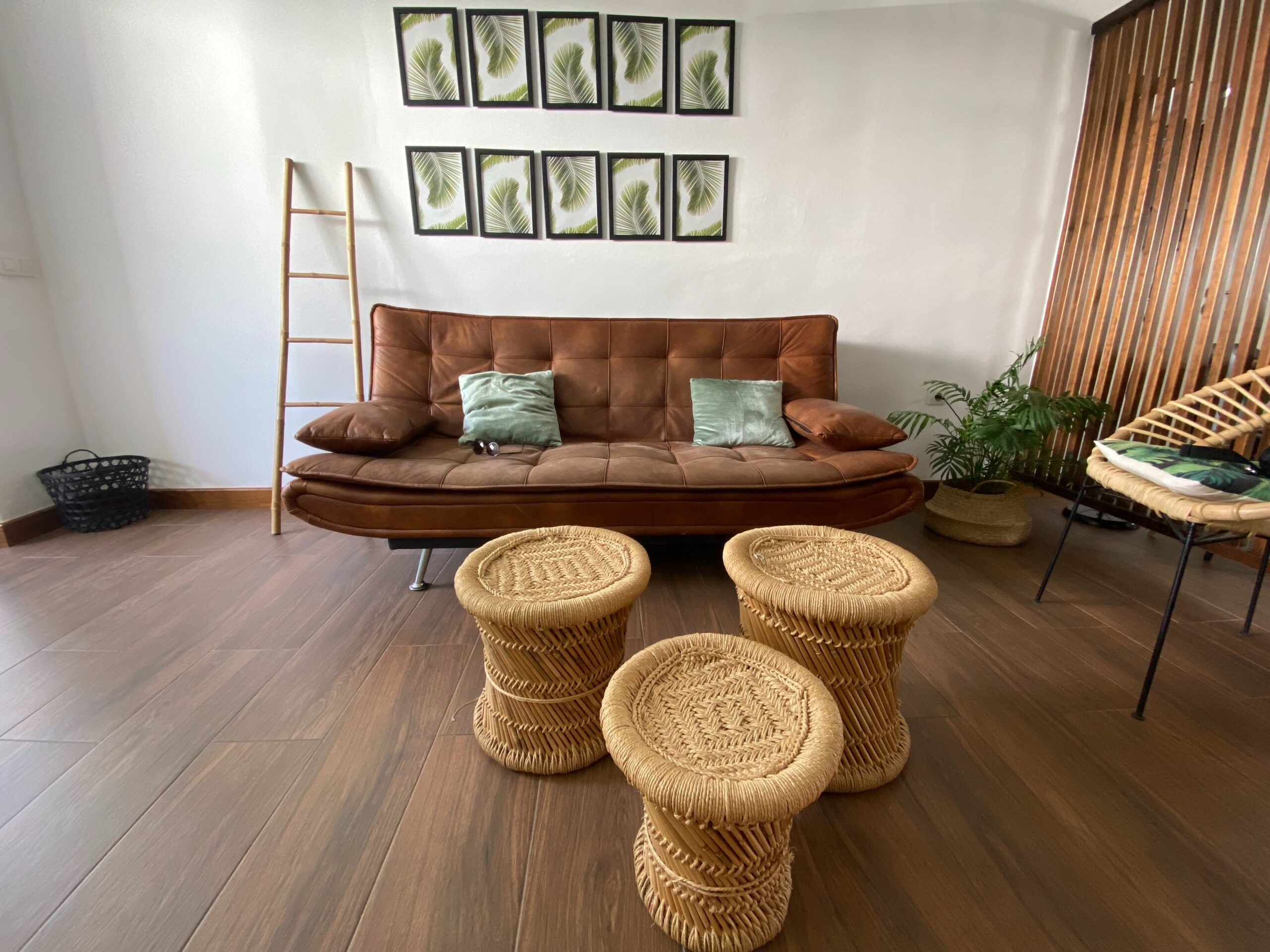
Vinyl Plank and LVP Floor Cleaning in San Diego: The Complete Homeowner's Guide
Luxury vinyl plank — LVP — has become one of the most popular flooring choices in San Diego homes over the past decade, and for good reason. It's waterproof, durable, comfortable underfoot, and costs significantly less than hardwood or stone while convincingly mimicking both. New construction, rental properties, and home renovations throughout the county increasingly feature LVP as the default hard floor choice.
But "waterproof" doesn't mean "maintenance-free," and LVP has its own specific care requirements that are quite different from hardwood, tile, or carpet. The wrong cleaning product — including several that seem intuitive or are marketed as floor cleaners — can dull the surface finish permanently, damage the wear layer, or leave residue that makes the floor look worse with every cleaning cycle.
This guide covers everything San Diego homeowners need to know to keep LVP floors clean, protected, and looking their best — including when professional cleaning is worth considering.
Looking for professional LVP or hard floor cleaning in San Diego? Call Floor Cleaner Fred at (858) 453-4410 — we clean luxury vinyl plank, tile, hardwood, and all hard floor surfaces throughout San Diego County.
Understanding What LVP Actually Is
To clean LVP correctly, it helps to understand what you're working with. Luxury vinyl plank is a multi-layer composite product:
| Layer | What It Does |
| Wear layer (top) | Clear protective coating — this is what cleaning products interact with and what determines how the floor looks and holds up over time |
| Decorative layer | The printed image that creates the wood or stone appearance |
| Core layer | Rigid or flexible PVC core — provides stability, waterproofing, and impact resistance |
| Backing layer | Provides cushion, sound absorption, and stability |
The wear layer is the critical surface. Thicker wear layers (20 mil and above) are more durable for high-traffic areas and more resistant to scratching. Thinner wear layers (6–12 mil, typical in budget LVP) are more vulnerable. The wear layer is what you're protecting and maintaining when you clean — and what you can damage with the wrong products or methods.
What Never to Use on LVP Floors
Several common cleaning products and methods are harmful to luxury vinyl plank — some of them specifically marketed as floor cleaners:
Steam mops and steam cleaners
This is the most common and most damaging mistake LVP owners make. Despite LVP being waterproof, steam heat damages the wear layer, causes the planks to warp and expand, and can break down the adhesive in glue-down installations. Steam mops are appropriate for tile — they should never be used on LVP.
Wax-based or oil-based products
LVP does not absorb wax or oil, and these products leave a sticky residue that traps dirt and dulls the surface. Products marketed for hardwood floors — Murphy Oil Soap, Orange Glo, Rejuvenate Polish — are formulated for wood and should not be used on vinyl. The buildup compounds over time and is difficult to remove.
Bleach and ammonia-based cleaners
At full strength or regular use, bleach and ammonia degrade the wear layer and can cause discoloration. Some homeowners use diluted bleach for disinfection — if you do, use extremely diluted concentrations and rinse thoroughly. Avoid routine use.
Abrasive scrubbers and steel wool
Scratching the wear layer is permanent. Never use abrasive scrubbing pads, steel wool, or stiff bristle brushes on LVP. Use soft microfiber mops and cloths only.
"Mop and Shine" or combination cleaner/polish products
These leave a coating on the surface that creates buildup over multiple applications, eventually causing the floor to look hazy or yellowed. They seem to work at first — the problem becomes apparent over months of repeated use.
Excessive water
LVP is waterproof but not completely impervious to water damage. Standing water on seams can seep underneath and cause the backing to separate or the floor to lift. Avoid soaking the floor — use a damp mop, not a wet one.
The Right Daily and Weekly Cleaning Routine for LVP
Daily — Dry Debris Removal
Sand, grit, and small debris are LVP's biggest enemy on a daily basis. Fine particles act as sandpaper under foot traffic, gradually scratching and dulling the wear layer. Sweep, dust mop, or vacuum daily in high-traffic areas. If vacuuming, use a hard floor setting (no rotating brush bar) to avoid scratching.
Weekly — Damp Mopping
Damp mop with a microfiber mop that's been wrung almost completely dry — barely damp, not wet. Use a cleaner specifically formulated for luxury vinyl plank or a very diluted solution of dish soap (a few drops in a gallon of water). Mop in the direction of the planks. Do not allow water to sit or pool.
As Needed — Spot Cleaning
For spills, blot immediately with a clean cloth. For stuck-on residue (food, adhesive, scuff marks), a small amount of rubbing alcohol on a cloth will dissolve most substances without damaging the wear layer. Work gently and wipe clean with a damp cloth after.
Recommended Cleaning Products for LVP
The safest approach is a pH-neutral cleaner specifically labeled as safe for luxury vinyl plank or LVP. Several widely available options work well:
| Product Type | Safe for LVP? | Notes |
| LVP-specific cleaner (Bona Hard Floor, Rejuvenate All Floors) | ✅ Yes | Best choice — formulated specifically for vinyl plank wear layers |
| Diluted dish soap (few drops per gallon) | ✅ Yes | Effective and inexpensive; rinse well to avoid residue |
| White vinegar diluted in water | ⚠️ Use sparingly | Acidic — can dull the finish with repeated use; not recommended for routine cleaning |
| Rubbing alcohol (spot cleaning only) | ✅ Yes (spot use) | Excellent for removing scuffs, adhesive, and sticky residue |
| Murphy Oil Soap or wood floor cleaners | ❌ No | Leaves waxy buildup on vinyl that traps dirt and dulls finish |
| Steam cleaner / steam mop | ❌ No | Damages wear layer and can warp or lift planks |
| Bleach (diluted for disinfection) | ⚠️ Occasional only | Use very diluted, rinse thoroughly, do not use routinely |
San Diego-Specific Factors for LVP Care
Hard Water and Mineral Deposits: San Diego's water supply averages 300–500 parts per million of dissolved minerals — among the harder municipal water supplies in California. Mopping with tap water and allowing it to air-dry will eventually leave a visible mineral haze on LVP. Use a well-wrung mop (minimal water) and buff dry after mopping, or use a commercial mineral deposit remover designed for vinyl surfaces if haze has already developed.
Sand and Coastal Grit: Coastal communities — Pacific Beach, Mission Beach, La Jolla, Ocean Beach, Coronado — deal with fine sand tracked in year-round. Sand is particularly abrasive against LVP wear layers. Door mats at every entry point and daily sweeping or vacuuming in high-traffic areas are essential in coastal homes. Consider upgrading to a higher mil-rating wear layer (20 mil+) if you live near the beach and have regular foot traffic.
UV Exposure: San Diego's 266+ sunny days per year expose south and west-facing rooms to significant UV light. Most LVP products have UV stabilizers built in, but direct, concentrated sunlight through windows can cause fading over time. UV-filtering window film in bright rooms extends the appearance life of LVP and all flooring types.
Temperature Fluctuations Inland: Communities like El Cajon, Santee, Lakeside, and Ramona see significant temperature swings between cool nights and hot afternoons. LVP expands and contracts with temperature. Proper installation requires expansion gaps around the perimeter — if your LVP was installed without adequate gaps, extreme temperature swings can cause buckling. This is an installation issue, not a cleaning one, but worth knowing if you see your floors lifting at the edges in summer.
Dealing with Common LVP Problems
Scuff Marks: Black scuff marks from rubber-soled shoes are one of the most common LVP complaints. A small amount of rubbing alcohol or WD-40 on a soft cloth removes most scuffs without damaging the finish. Rub gently and wipe clean after.
Hazy or Dull Appearance: A floor that looks hazy despite cleaning usually has product buildup from wax-based or multi-purpose cleaners used over time. A commercial floor stripper designed for vinyl (applied carefully per instructions) can remove the buildup. Alternatively, a thorough professional cleaning can restore the surface. Going forward, switching to a pH-neutral LVP-specific cleaner prevents recurrence.
Sticky Residue or Gummy Buildup: Residue from adhesive tape, dropped food, or incorrect cleaning products responds well to rubbing alcohol or a product like Goo Gone applied with a soft cloth. Do not use acetone (nail polish remover) — it can dissolve the wear layer.
Pet Scratches: Light surface scratches in the wear layer from pet nails are unfortunately permanent — the decorative layer is not exposed, so the floor still functions correctly, but the scratch reflects light differently. Prevention through regular nail trimming and area rugs in pet zones is the best approach. Deep gouges that expose the decorative layer require plank replacement.
Lifting or Gapping Planks: Planks that lift at the edges or develop gaps between them are usually responding to moisture intrusion under the floor or inadequate expansion gaps at installation. This is not a cleaning issue — it requires investigation and possibly re-installation of affected sections. Do not attempt to glue lifted click-lock planks back down without addressing the underlying cause.
When Professional LVP Cleaning Makes Sense
LVP is designed for easy homeowner maintenance, and routine cleaning is manageable with a microfiber mop and the right product. Professional cleaning adds value in specific situations:
Severe Product Buildup: Years of incorrect products — wax-based cleaners, oil soaps, multi-surface sprays — leave a buildup that home cleaning cannot remove. Professional extraction and the right stripping products restore the surface to like-new condition.
Post-Construction or Renovation Cleanup: Construction dust, grout haze, paint overspray, and adhesive residue left after renovation work require professional-grade equipment and products to remove without damaging the wear layer.
Whole-Home Deep Clean: A professional cleaning every 12–18 months removes deeply embedded grit and residue that regular damp mopping doesn't reach — particularly in textured or embossed LVP where debris collects in the surface pattern.
Pet Accidents: Even waterproof LVP can trap pet odors in the seams, backing, or subfloor under the planks. Professional treatment addresses odor at the source rather than just the visible surface.
LVP Care Quick Reference
| Task | Frequency | Method |
| Dry sweep or vacuum | Daily (high traffic), 2–3x weekly (low traffic) | Microfiber dust mop or vacuum on hard floor setting (no brush bar) |
| Damp mop | Weekly | Well-wrung microfiber mop + LVP-safe cleaner; buff dry if needed |
| Spot clean spills | Immediately | Blot with clean cloth; use alcohol for sticky residue |
| Scuff removal | As needed | Rubbing alcohol on soft cloth; rub gently and wipe clean |
| Deep clean or buildup removal | Annually or when floor appears dull/hazy | Professional cleaning recommended |
| Inspect for lifting or gapping | Seasonally | Walk perimeter; check expansion gaps; note any lifting areas |
Professional LVP Cleaning Pricing in San Diego
| Service | Typical Price |
| LVP deep clean (routine maintenance) | $0.20–$0.35 per sq ft |
| Buildup removal / floor restoration | $0.35–$0.60 per sq ft |
| Post-construction cleanup (with debris) | $0.40–$0.70 per sq ft |
| Spot pet stain and odor treatment | $25–$75 per area |
| Example: 500 sq ft LVP deep clean | $100–$175 |
| Example: 1,200 sq ft whole-home LVP | $240–$420 |
Combination jobs available: Many San Diego homes have LVP in main living areas and carpet in bedrooms. We clean both surfaces in a single visit — call (858) 453-4410 or request a quote online for a whole-home cleaning estimate.
Floor Cleaner Fred's Hard Floor Services in San Diego
- LVP and Luxury Vinyl Cleaning: We use methods and products specifically appropriate for vinyl plank — no steam, no wax, no harsh chemicals that damage the wear layer
- All Hard Floor Types: LVP, hardwood, tile and grout, natural stone, laminate — we match the cleaning method to the specific surface
- Whole-Home Cleaning: Mix of LVP, carpet, tile? We handle all surfaces in one visit — no need to coordinate multiple providers
- Buildup and Restoration: If years of incorrect products have left your LVP dull or hazy, we can restore the surface appearance without damage
- Post-Construction Cleanup: Renovation residue, grout haze, construction dust — safely removed from new LVP installations
- 672+ Five-Star Reviews: San Diego homeowners trust us with their floors — including the LVP investments they've made throughout their homes
Professional LVP and Hard Floor Cleaning Throughout San Diego
The right cleaning method for your specific floor — no guesswork, no damage
Get a Free Quote Call (858) 453-4410Available 8:00 AM - 6:00 PM, 7 Days a Week
Keep Your LVP Looking Like New for Years
Luxury vinyl plank is one of the most forgiving and durable floor surfaces available — but only if you clean it the right way. The core rules are simple: keep grit swept up daily, damp mop with a pH-neutral LVP-safe product, avoid steam and wax-based cleaners entirely, and blot spills before they sit.
For San Diego homeowners dealing with hard water haze, coastal sand, or years of product buildup, a professional cleaning can restore LVP to like-new appearance and give you a clean baseline to maintain from. We're happy to advise on the right maintenance routine for your specific floor after any service visit.
Floor Cleaner Fred serves LVP and hard floor cleaning throughout San Diego County — from Scripps Ranch and Poway to Chula Vista, Mission Valley, and Oceanside. If your vinyl plank floors don't look the way they should, give us a call.
Call Floor Cleaner Fred at (858) 453-4410 — professional LVP and hard floor cleaning throughout San Diego.
Hardwood floor cleaning | Tile and grout cleaning | Hardwood cleaning guide

Copyright © 2024 Floor Cleaner Fred - All Rights Reserved
 San Diego, California 92131
Mon-Fri: 8:00 – 6:00 Sat-Sun: 8:00 – 6:00