Floor Cleaner Fred – San Diego Carpet & Floor Cleaning Experts
 8:00 am – 6:00 pm Mon – Sun (858) 453-4410

Laminate Floor Cleaning in San Diego: What Works and What Damages Your Floors
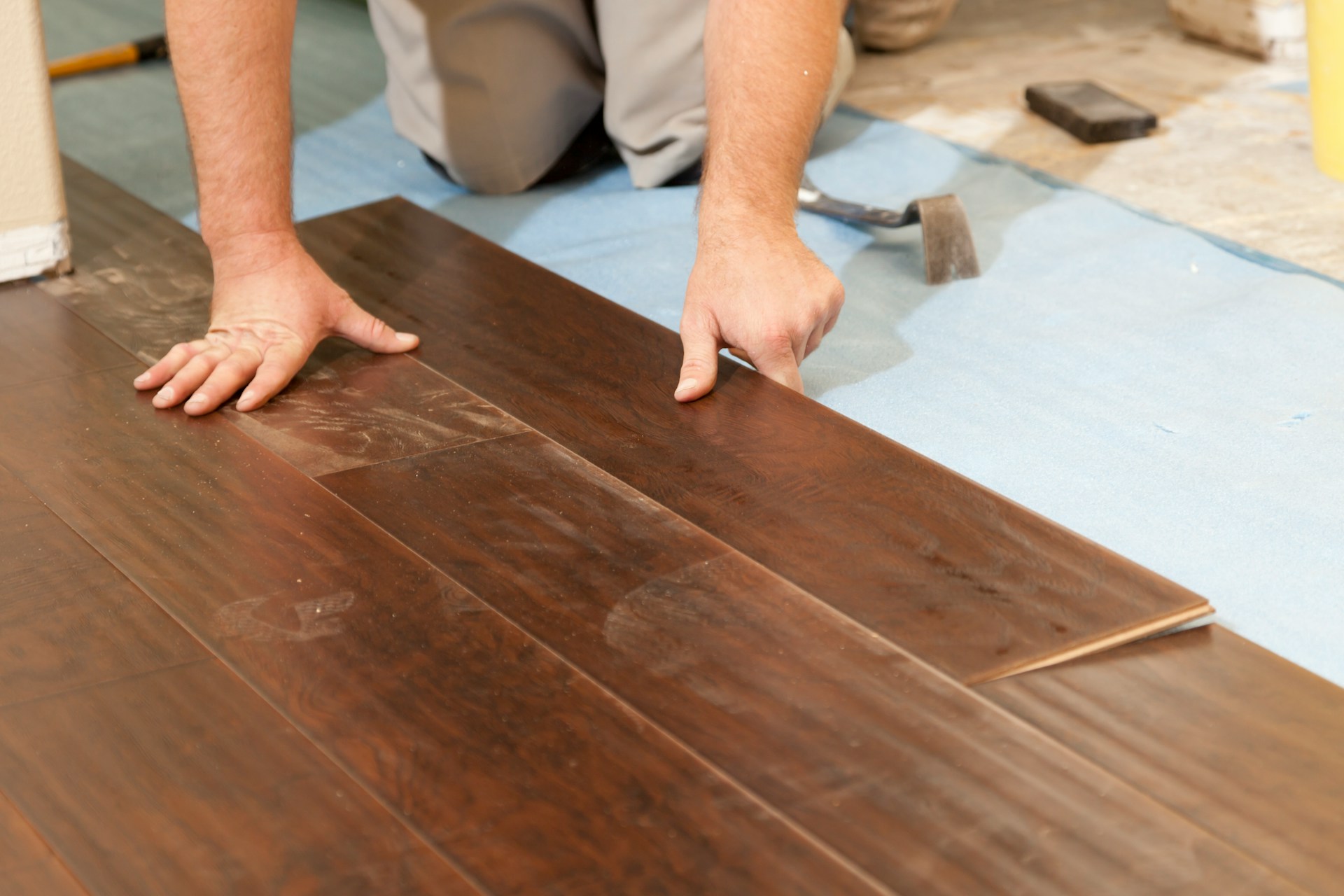
Laminate flooring gives San Diego homeowners the look of hardwood at a lower cost, with excellent resistance to everyday scratches and wear. It is popular in bedrooms, hallways, rentals, and busy living spaces because routine care is simple — when you use the right amount of water and the right products.
The biggest misconception is that laminate is waterproof because the surface is easy to wipe clean. The top layer may resist a spill, but water can still work into seams and edges, swell the fiberboard core, and cause damage that cannot be repaired by cleaning. Wax, steam, abrasive scrubbers, and excessive water can also leave the decorative surface cloudy or permanently marked.
This guide explains how laminate is made, how to clean it safely, which common products to avoid, how San Diego's hard water and coastal grit affect maintenance, and when a professional deep clean can restore a tired-looking floor.
Laminate floors looking dull, hazy, or sticky? Call Floor Cleaner Fred at (858) 453-4410 for a quote on professional hard floor cleaning in San Diego.
Laminate vs. Luxury Vinyl: Why the Difference Matters
Laminate and luxury vinyl plank can look nearly identical, but they respond to moisture differently. Laminate usually has a wood-fiber or high-density fiberboard core under a printed design and a clear wear layer. That fiber core can swell when water enters through seams or damaged edges. LVP has a vinyl core and is more water-resistant, although installation details still matter.
| Feature | Laminate | LVP |
| Core | Wood-fiber composite | Vinyl/PVC composite |
| Standing water tolerance | Limited; seams are vulnerable | Higher, but not a reason to leave water standing |
| Best mop | Nearly dry microfiber mop | Damp microfiber mop |
| Steam cleaning | Not recommended | Not recommended |
What Never to Use on Laminate Flooring
Steam mops: Heat and moisture can force water into seams, swell the core, loosen edges, and leave the finish streaked. A manufacturer that permits steam is the exception, not the rule — always check your flooring warranty first.
Wet mops and bucket flooding: Laminate should never be soaked. A mop that leaves visible water behind is too wet. Clean small sections and dry them as you go.
Wax, polish, and oil soap: Laminate has a finished wear layer and does not need wax. Coatings leave residue, attract grit, and create the cloudy or greasy look homeowners often mistake for a damaged floor.
Powdered abrasives and scrub pads: Scratches in the clear wear layer are permanent. Use microfiber only and avoid melamine sponges except for a tiny test area on stubborn marks.
Bleach, ammonia, and harsh solvents: Strong chemicals can discolor the printed design or break down the finish. Never use acetone or nail-polish remover on laminate.
The Safe Laminate Cleaning Routine
1. Remove dry grit first. Sweep with a soft microfiber dust mop or vacuum on the bare-floor setting. Sand and grit are the main everyday source of fine scratches, especially in coastal homes.
2. Treat spills immediately. Blot liquid with a clean, absorbent cloth. Do not let water, pet accidents, or wet shoes sit on the floor. Pay particular attention to plank ends and seams.
3. Use a nearly dry microfiber mop. Spray a pH-neutral laminate cleaner onto the mop rather than pouring product onto the floor. Work in small sections and leave no puddles.
4. Dry any remaining moisture. If the floor looks wet after mopping, follow with a dry microfiber cloth. This is especially important around dishwasher, refrigerator, sink, and sliding-door areas.
5. Protect the floor between cleanings. Use felt pads under furniture, non-rubber-backed mats at entrances, and soft casters on rolling chairs. Trim pet nails and lift furniture instead of dragging it.
San Diego Conditions That Make Laminate Care Harder
Hard water haze: San Diego tap water contains a high mineral load. If mop water is left to air-dry, calcium and other minerals can leave streaks or a pale film. Use minimal water, change the mop pad frequently, and dry the floor rather than letting tap water evaporate in place.
Coastal sand: Fine sand tracked in from Pacific Beach, Mission Beach, La Jolla, Ocean Beach, and Coronado acts like abrasive powder under shoes. Put a coarse outdoor mat and a soft indoor mat at entrances, and vacuum entry paths frequently.
Open windows and dust: San Diego's mild weather encourages open windows, which also brings in pollen and fine dust. Dry dust removal before wet cleaning prevents that material from becoming muddy residue in the seams.
Pet moisture and accidents: Laminate's top surface may wipe clean, but liquid can enter through joints. Blot quickly and inspect edges if an accident has sat for more than a few minutes. Persistent odor may indicate material below the flooring and calls for professional evaluation.
How to Remove Common Laminate Floor Marks
| Problem | Safe First Step |
| Food or drink spill | Blot, then wipe with a slightly damp microfiber cloth and dry |
| Rubber shoe scuff | Gently rub with a dry microfiber cloth; use a tiny amount of isopropyl alcohol only after testing |
| Dried adhesive | Soften carefully with a laminate-safe adhesive remover; never scrape with metal |
| Cloudy product buildup | Stop using polish or oil soap; professional residue removal may be safer than repeated DIY stripping |
| Swollen or raised edge | Do not sand or flood it; find the moisture source and have the damaged plank assessed |
When Professional Laminate Cleaning Is Worth It
Routine laminate care is homeowner-friendly, but professional cleaning makes sense when the floor has years of residue, has been exposed to construction dust, or needs a whole-home reset after a move or renovation.
Heavy cleaner buildup: A professional can identify whether the haze is residue or wear-layer damage before applying a treatment. Repeatedly adding another product usually makes the problem worse.
Post-construction dust: Fine drywall dust and renovation debris settle into textured laminate and plank seams. Professional equipment can remove it more thoroughly while controlling moisture.
Large homes or mixed flooring: When laminate connects to carpet, hardwood, tile, or area rugs, a coordinated cleaning visit can address the whole floor system without using one inappropriate product everywhere.
Pet or water damage: Odor, dark seams, swelling, and recurring dampness can point below the surface. Cleaning alone cannot repair a swollen core, but professional assessment helps prevent spending money on the wrong fix.
Laminate Floor Cleaning Prices in San Diego
| Service | Typical Price |
| Routine laminate deep clean | $0.20–$0.35 per sq ft |
| Cleaner buildup or restoration treatment | $0.35–$0.60 per sq ft |
| Post-construction laminate cleaning | $0.40–$0.70 per sq ft |
| Example: 800 sq ft laminate area | $160–$280 |
| Example: 1,500 sq ft whole-home laminate | $300–$525 |
Every floor is different. Pricing depends on square footage, access, soil, buildup, and whether carpet or other surfaces are included. Call (858) 453-4410 or request a quote online for an exact estimate.
Floor Cleaner Fred's Hard Floor Cleaning Services
- Surface-specific methods: We identify laminate, LVP, hardwood, tile, and natural stone before selecting products or equipment.
- Low-moisture approach: Laminate gets the moisture control it needs — no unnecessary soaking or steam.
- Residue removal: We can evaluate cloudy buildup and recommend a safe treatment rather than covering it with another coating.
- Mixed-floor homes: Carpet, laminate, tile, and hardwood can be cleaned in one coordinated visit.
- Honest assessment: If planks are swollen or the wear layer is damaged, we explain when cleaning will help and when replacement is the realistic answer.
- 672+ five-star reviews: San Diego homeowners trust us with their floors and furnishings.
Restore the Look of Your Laminate Floors
Safe, low-moisture hard floor cleaning throughout San Diego
Get a Free QuoteCall (858) 453-4410Available 8:00 AM - 6:00 PM, 7 Days a Week
The Bottom Line on Laminate Floor Care
Laminate floors stay attractive when you treat them as a moisture-sensitive surface: remove grit often, clean with a nearly dry microfiber mop, use a pH-neutral laminate product, and dry spills immediately. The fact that a floor looks like wood does not mean it should be cleaned like sealed hardwood — and the fact that it looks water-resistant does not mean it should be soaked.
If hard water haze, sticky buildup, renovation dust, or pet-related odor has taken over, professional cleaning can provide a safe reset. Floor Cleaner Fred serves homeowners throughout San Diego County, from Scripps Ranch and Poway to Chula Vista and Oceanside.
Call Floor Cleaner Fred at (858) 453-4410 for professional laminate and hard floor cleaning in San Diego.
LVP cleaning guide | Hardwood cleaning | Tile and grout cleaning

Copyright © 2024 Floor Cleaner Fred - All Rights Reserved
 San Diego, California 92131
Mon-Fri: 8:00 – 6:00 Sat-Sun: 8:00 – 6:00